
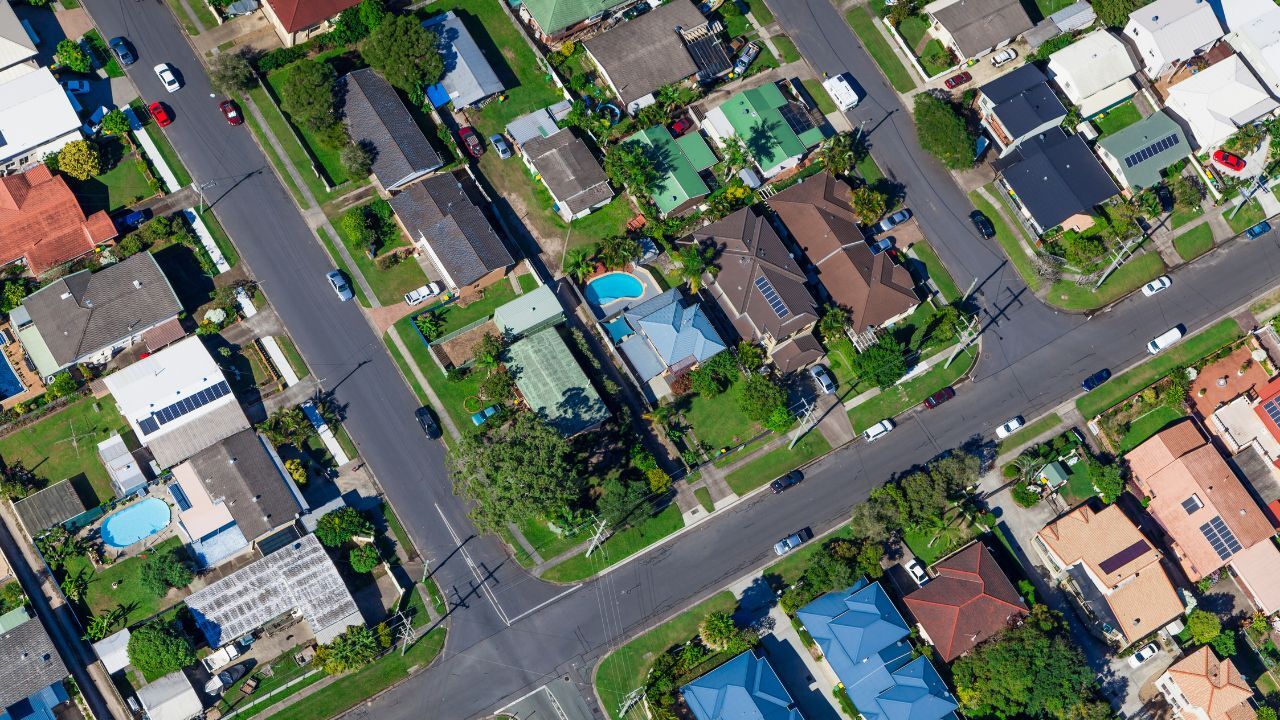
 Finding a home with a low price can feel exciting, especially in a competitive market. However, the lowest priced home on the block is not always the best value. While it may seem like a smart way to save money, the true cost often becomes clear only after you look deeper. Understanding the risks and hidden factors can help you avoid a purchase that may cost more in the long run.
Condition Matters More Than Price
A low price often signals that the home needs repairs or updates. Cosmetic changes are simple, but structural issues, outdated systems, or neglected maintenance can lead to major expenses. Before falling in love with the price, it is important to understand what the home truly needs.
Your Investment Should Match the Neighborhood
Homes gain value based on the surrounding area. If the lowest priced home has features that are far below the standard of nearby properties, you may need to invest more to bring it up to neighborhood expectations. Even with improvements, the home may still struggle to match the value of surrounding houses.
Hidden Costs Can Add Up Quickly
A home with a low purchase price may come with higher long-term costs. Older roofs, outdated electrical systems, plumbing issues, and foundation concerns can add significant expenses. These costs can easily outweigh the savings from buying the cheapest home in the area.
Resale Value May Be Impacted
A low priced home can be harder to sell later if it remains below neighborhood standards. Buyers often compare homes within the same area, and your home may stand out for the wrong reasons. Even after upgrades, resale value may not grow as quickly as homes that already match the neighborhood.
Renovation Time and Stress Are Real Factors
Renovating takes time, money, and patience. If you buy a home that needs a lot of work, it may impact your daily life more than expected. Delays, contractor availability, and budget changes can create stress and slow down your move in timeline.
Know When a Low Price Is a Good Opportunity
Not every low-priced home is a bad deal. Some are priced low because the seller wants a quick sale or because the updates needed are minor. A thorough inspection and a detailed evaluation help you determine whether the home is a smart investment or a financial risk.
Make Your Decision with Confidence
The cheapest home on the block may seem appealing, but it is important to look beyond the price. With the right guidance and careful review of the property, you can make a choice that protects your long-term financial goals.
